
Building Skills, Unlocking Potential: Why IB Diploma Programme Education Matters
The International Baccalaureate Diploma Programme (IBDP) is one of the pathways we offer at TIS. Pursuing an IB Diploma is challenging, rigorous but one of the most rewarding pathways for a high school student to strive for. The Diploma Programme can unlock a student’s potential and open global opportunities. Alumni often return to tell us about the rewards of their IB education in their university experience and education. While the programme is rigorous, its benefits are immeasurable. The IB Diploma Programme centers on a holistic approach and experiences that foster intellectual curiosity, creativity, and independence. The inquiry-based learning and approach builds essential and transferable skills in the areas of research, self-management, and communication, preparing students not only for university-level academic rigour but developing global citizenship, allowing them to thrive in life beyond high school.
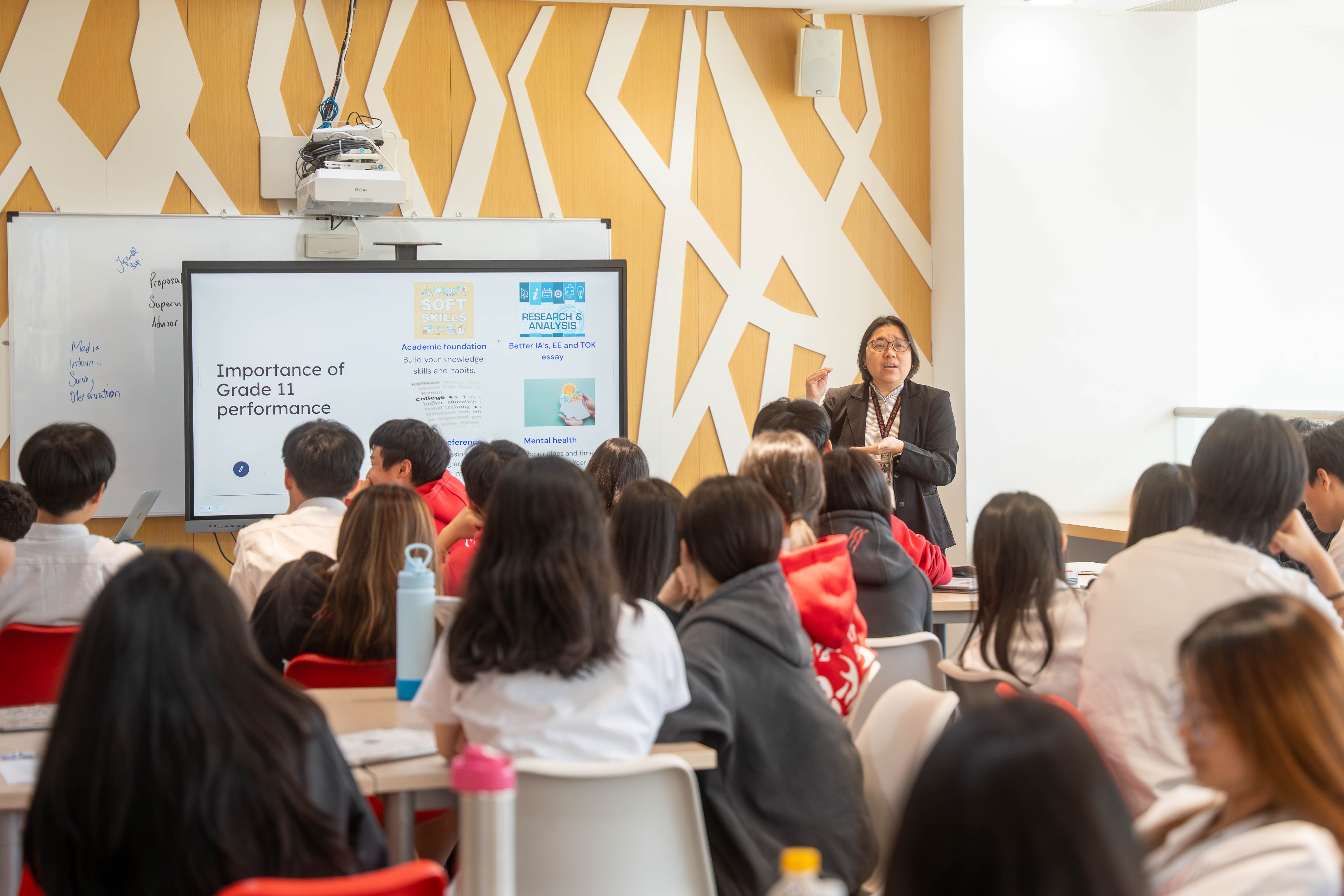
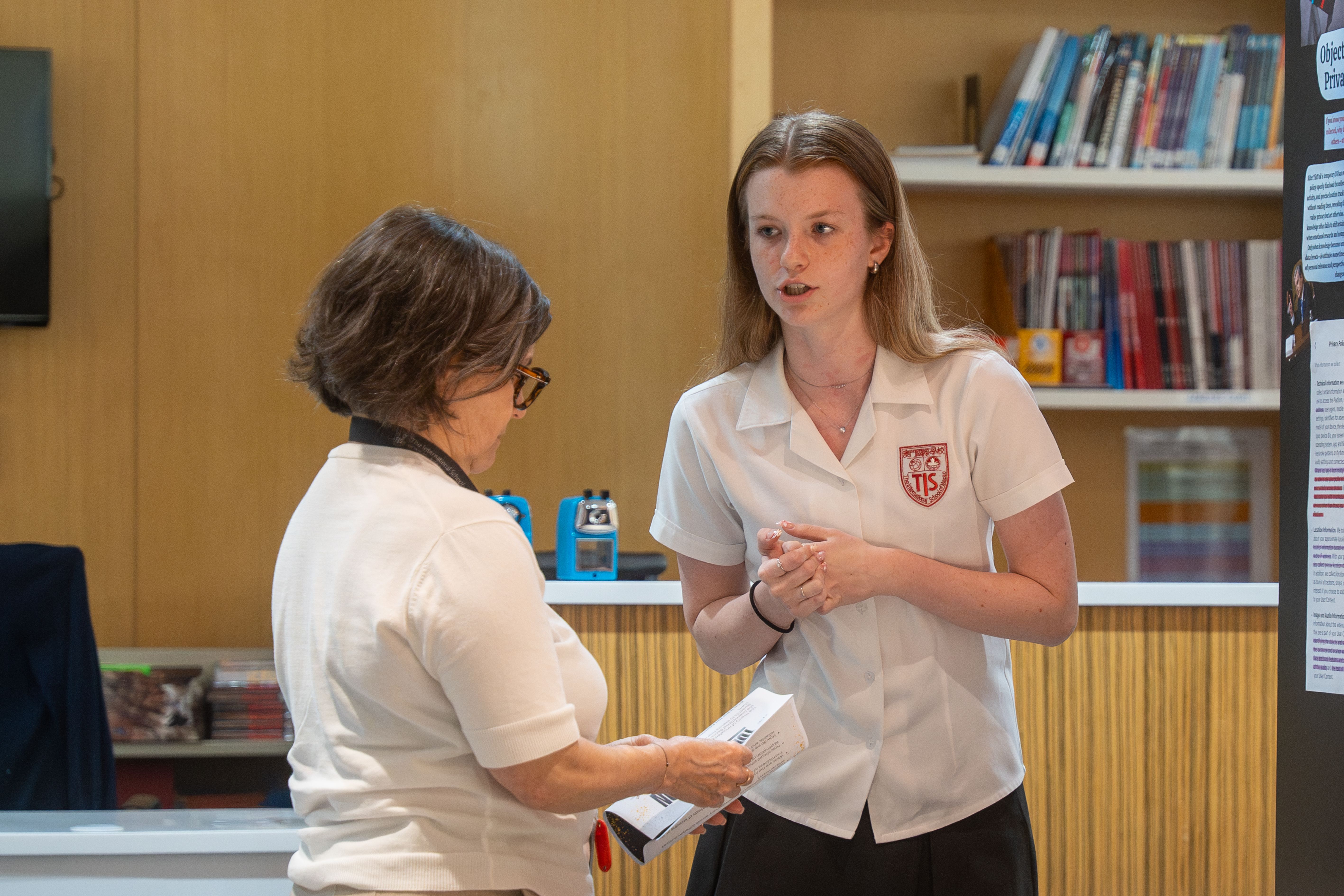
But how does IB education build these skills? IB has a framework of five skill clusters - the Approaches to Learning (ATL): thinking, communication, social, self-management and research skills. These approaches are embedded across all subject areas and teachers plan explicit ATL skill instructions by modelling strategies and requiring students to reflect on skill growth. The Theory of Knowledge (TOK) is an interdisciplinary course which examines how knowledge is constructed, validated and communicated. Students study and analyse knowledge claims and practice reasoned arguments which cultivates awareness where students learn to question assumptions and communicate uncertainty. These skills are useful in research and professional decision making. The Extended Essay (EE) is an independent, self-directed research project of 4,000 words on a topic of the student’s choice and interest. The EE process and experience gives students the opportunity to do research, conduct a literature review, design a methodology, manage their time and build perseverance which is directly applicable to university assignments and workplace research tasks. The Creativity, Activity, Service (CAS) component of the IBDP, is an experiential learning opportunity which allows students to design CAS experiences, reflect on learning and ethical implication, and provides a platform for students to demonstrate initiative and leadership, skills that are valued in community engagement and collaborative workplaces.
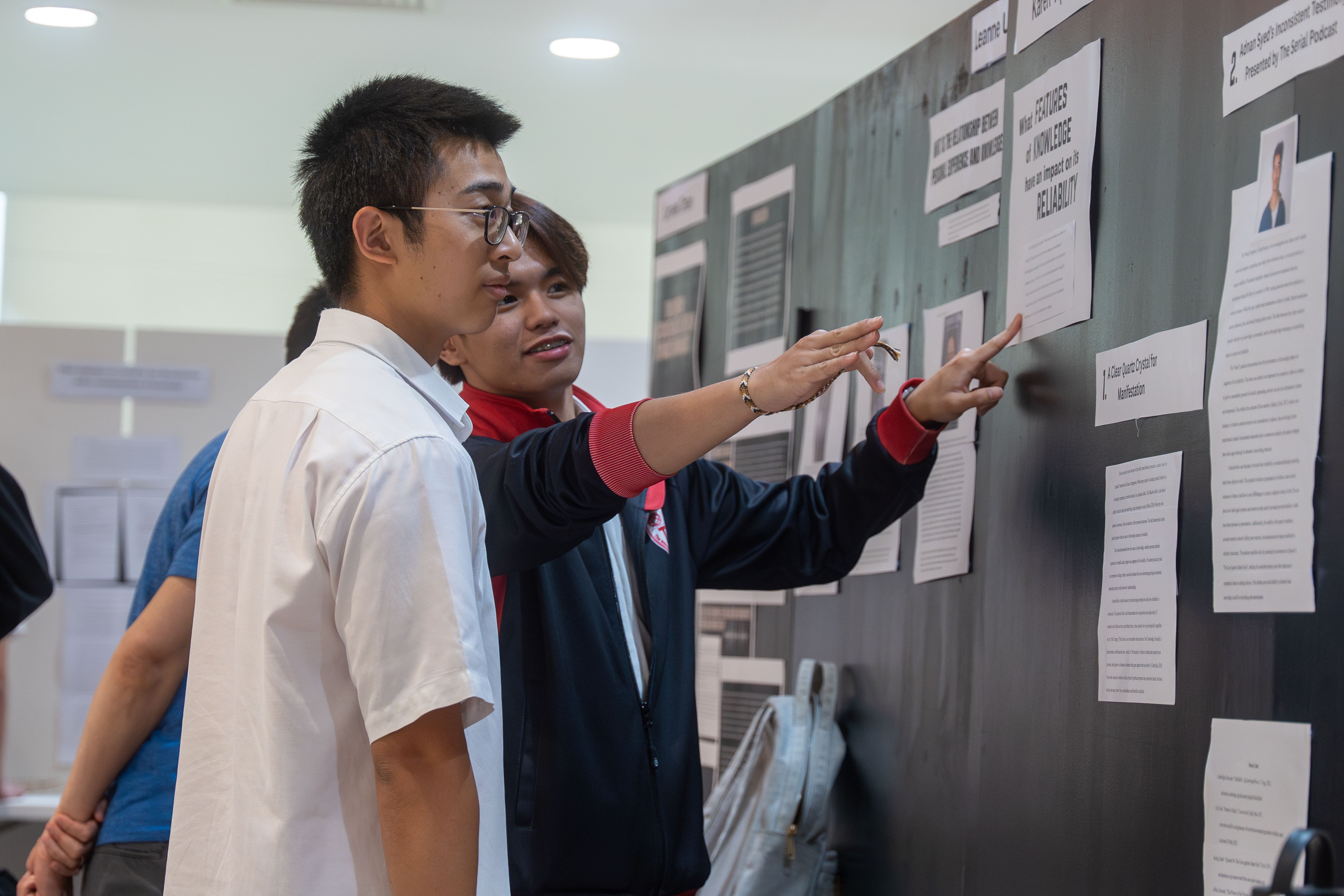
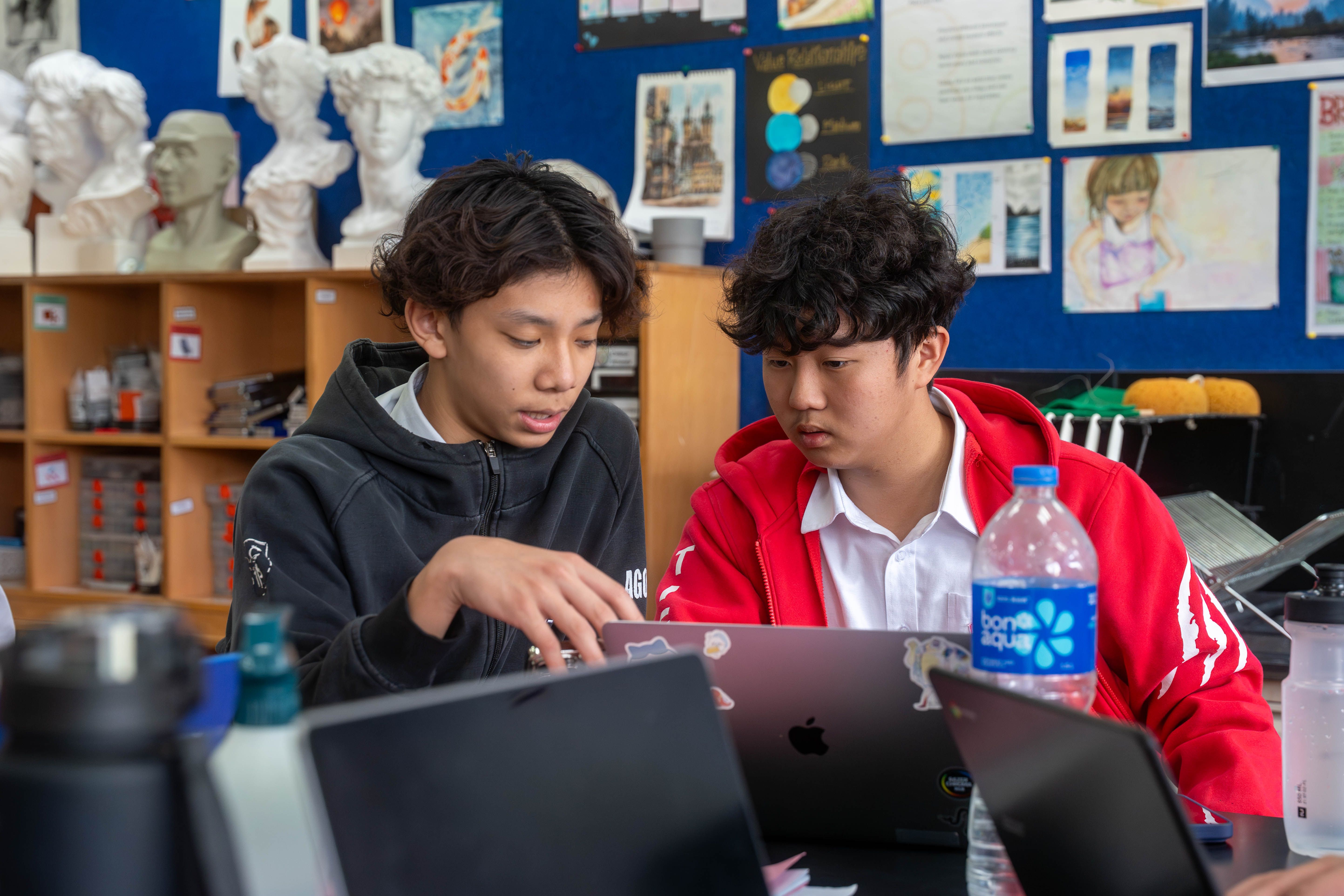
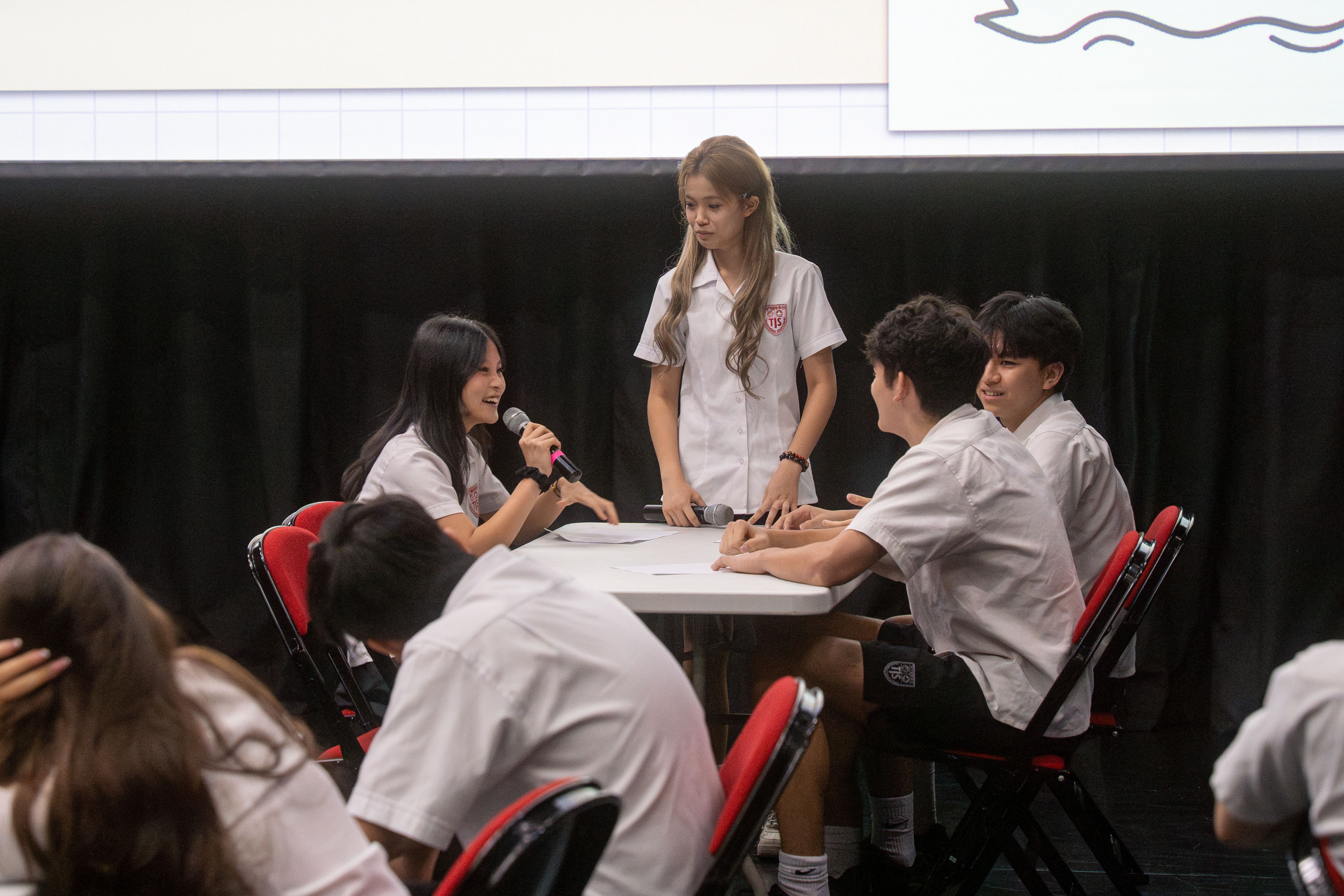
In the IB DP, students study six subjects from six different subject groups where coursework and assessments often require cross-subject thinking such as Math and Science or Language and History. This interdisciplinary learning allows students to integrate perspectives and methods from different disciplines which build skills of adaptability. Assessments in the IB DP are a mix of internal and external assessments which focus on analysis, evaluation, synthesis, investigation and communication rather than rote memorisation.
At the heart of the IB education are ten attributes called the IB Learner Profile: inquirer, knowledgeable, thinker, communicator, principled, open-minded, caring, risk-taker, balanced and reflective. At TIS, we embed all these attributes not only in our curriculum but also in building a school culture that helps foster these attributes. Development of these attributes shape attitudes and support lifelong learning, resilience and ethical decision-making.
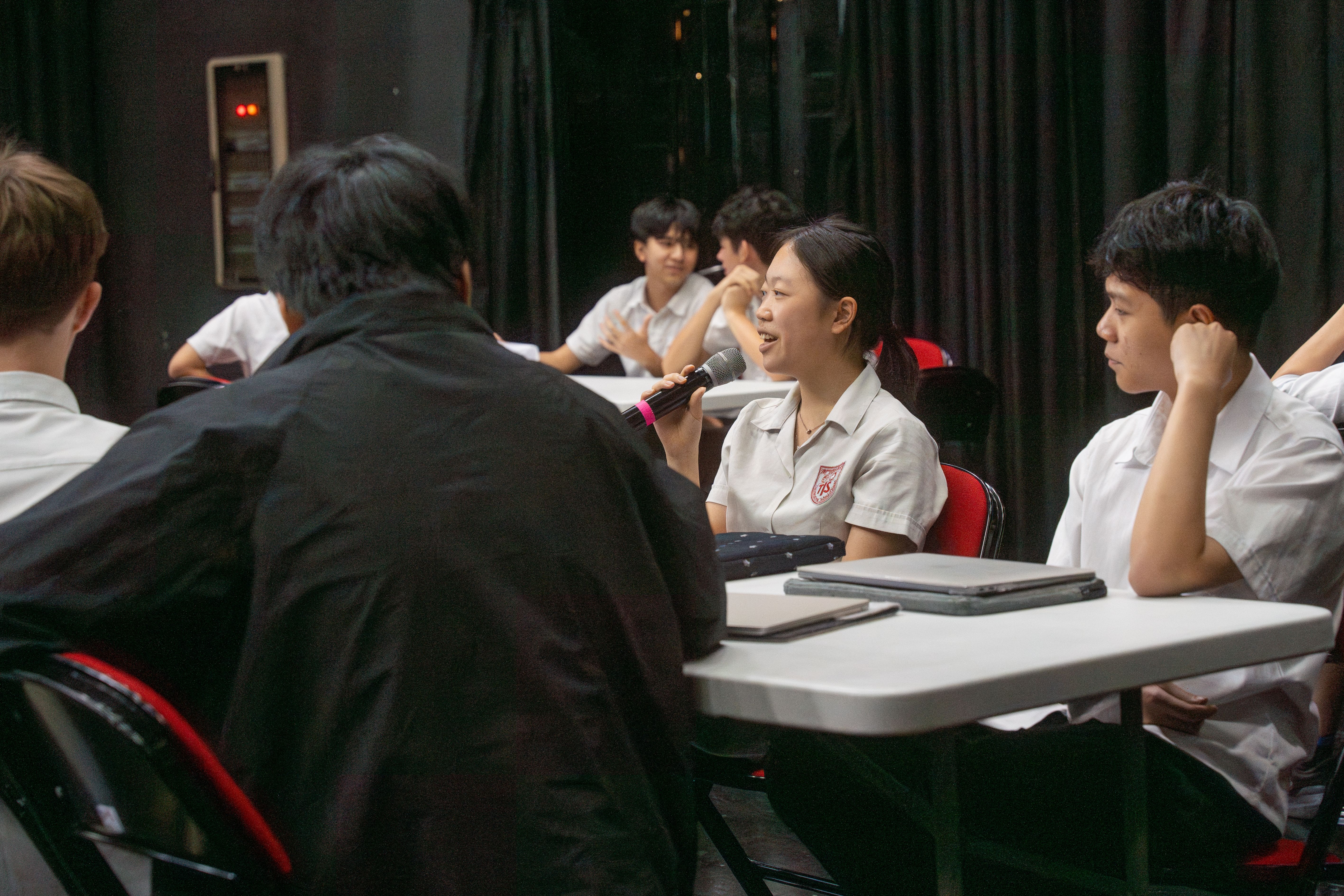

So how is potential unlocked? In the recent University Admissions Officer’s report and update released by IB in the study conducted by ACS International Schools, it found that the majority of University Admissions Officers advocate the IB Diploma Programme as the best preparation for the workplace and university (University Admissions Officers Report). In the same report, it identified the top five attributes university admissions officers look for in student applicants in addition to their academic qualifications and grades. The top five attributes are:
passion for their chosen subject
good written English
evidence of positive attitude towards study
evidence of an ability to think and work independently
A reasonable grasp of maths
At TIS, our team of faculty and staff, academic counsellors and administration continue to promote these attributes and unlock student potential in various ways. We continue to develop our programmes through the use of valid, reliable and authentic assessments, professional development, policy reviews, community and local engagement and celebrating our student’s progress and success.
If building skills and unlocking potentials resonate with you, have a conversation with our IB DP team.


